Farmer experience study
Understanding rodent pressures, current practices, outcomes, and gaps in support on farms of all types, wherever they are located.
 Rodent Management
Informed choices, practical support, and shared learning for effective, humane rodent management.
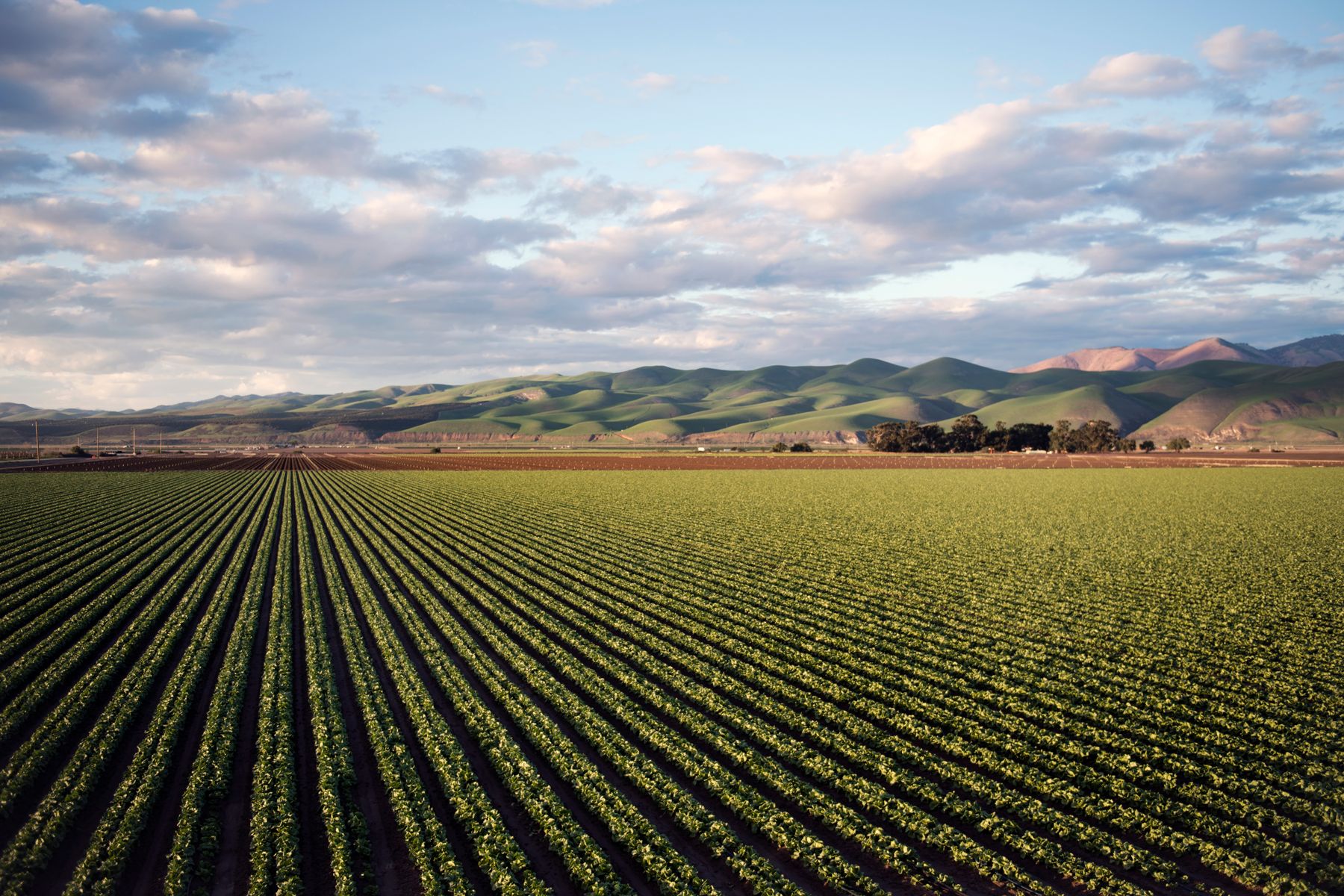
Help people adapt pest-management practices through informed choices and practical support, improving outcomes while reducing harm to animals and ecosystems.
Some rat and mouse poisons work by preventing blood from clotting. A potent group, called second-generation anticoagulant rodenticides (SGARs), can take days to kill and remain in animals’ bodies long after they are eaten. Predators and scavengers, including owls, foxes, and mountain lions, can also be poisoned when they eat contaminated rodents. This is known as secondary poisoning.[1]
Reducing reliance on these poisons means addressing suffering in rodents and harm to wildlife and farmed animals while maintaining effective control. Even California’s broad restrictions retain agricultural exemptions, underscoring the importance of practical alternatives in these settings.[2] Rodent management also presents an emerging climate-resilience challenge: warming has been associated with increasing urban rat populations.[3]
Research is expanding the available options, but new technologies take time to develop and validate. Effective rodent management requires a combination of approaches, tailored to each setting. Prevention, exclusion, monitoring, and targeted interventions work together, supported by skilled technicians and ongoing maintenance.[4]
For farmers, facility managers, and pest-management providers, the challenge extends beyond knowing that alternatives exist. They need to determine which methods suit their conditions, comply with applicable rules and standards, and can be implemented reliably. The opportunity is to connect that decision with the products, specialized services, and follow-up needed to make lower-harm management practical.
That starts with a substantial data challenge: bringing together what is permitted in each location and context, the crops and rodents present, local owl species and their potential role in control, and evidence on management methods. We plan to build and maintain this foundation so recommendations can reflect both local conditions and the strength of the available evidence.
Understanding rodent pressures, current practices, outcomes, and gaps in support on farms of all types, wherever they are located.
Building the data foundation for locally appropriate rodent management. We plan to connect regulations, crop and rodent data, local owl ecology, and evidence on control methods to guide recommendations and help users find suitable products, services, and vendors.
Help shape the marketplace ↗A place for farmers to ask questions, receive answers, share experience, and collaborate with one another, practitioners, and researchers.
Email me when it’s ready. ↗Field notes
How caring for poisoned wildlife led me to build Rodent Management Exchange.
Read the note ↗Stay connected
Project news, study findings, or a notification when the survey, marketplace, or forum is ready. You choose.